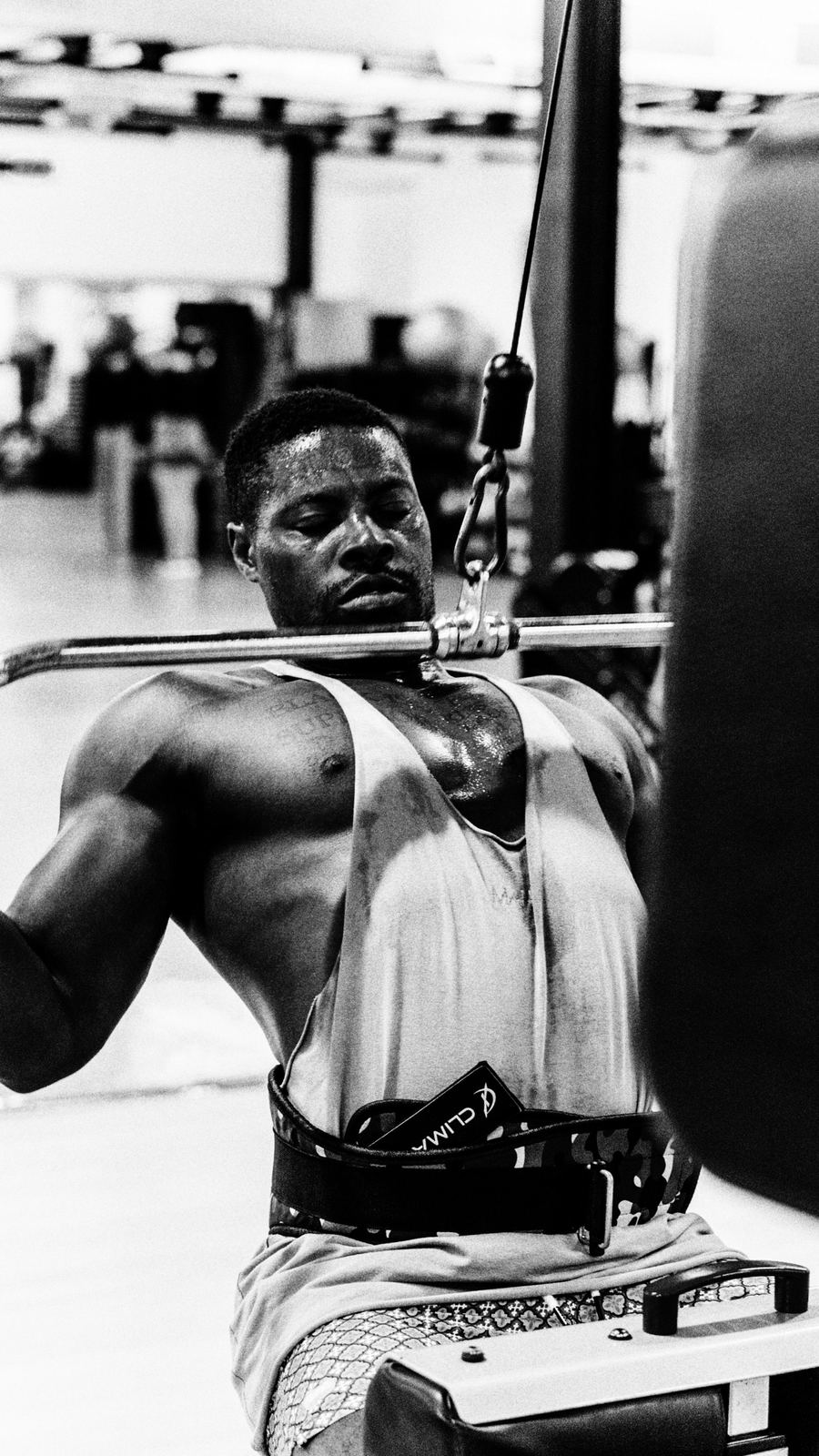
The gym is full of phrases repeated so often that nobody questions them anymore. The problem is that several of them aren't just false — they're actively holding back your progress, every single week you keep believing them.
- Muscle soreness doesn't measure how effective a workout was
- Deadlifts don't hurt your back — bad technique does
- Moderate cardio doesn't erase your muscle gains
- Training without rest slows progress, it doesn't speed it up
Much of what gets said in the gym passes from mouth to mouth, generation to generation of trainees, without anyone stopping to check if it's true. It gets repeated because it sounds logical, because someone muscular said it, or because that's how people trained 20 years ago. Here we break down the 8 most common myths in depth, with the physiological explanation for why they exist and what the evidence actually says.
It took me a while to let go of some of these too — especially the soreness one. I spent a good part of my first year measuring my workouts by how destroyed I felt the next day, instead of looking at whether I was lifting more weight or more reps than the week before.
| Myth | Reality in one line |
|---|---|
| No pain, no gain | Soreness measures novelty, not effectiveness |
| Deadlifts hurt your back | Bad technique hurts — not the exercise itself |
| You need to feel sore to grow | Growth responds to tension, not damage |
| Cardio makes you lose muscle | Only at very high volumes with very little food |
| Training without rest gives better results | Muscle repairs during rest, not in the gym |
| Protein powder is harmful | It's just concentrated food, nothing more |
| Ab exercises burn belly fat | Fat is lost overall, not in specific spots |
| Without supplements there's no progress | Training, food, and sleep matter far more |
None of these myths is a "lie for no reason" — almost all of them started from a real observation that got overgeneralized. Understanding the origin of a myth helps explain why it keeps circulating even among experienced people.
Myth 1 — "No pain, no gain"
Why people believe this
It comes from associating perceived effort with results. If you finish exhausted, it feels like it "was worth it." The problem is that exhaustion and the stimulus for muscle growth aren't the same thing.
Delayed onset muscle soreness (DOMS) occurs from micro-damage to muscle fibers, usually when you do a new exercise, change the angle, or suddenly increase volume a lot. It's a response to the novelty of the stimulus, not a measure of how effective the workout was. Over time, your body adapts to the same exercise and it gets less sore, even though you're still progressing in strength and size just fine. Chasing soreness as a goal leads to two real problems: constantly changing your routine just to "feel" something new (which breaks progression), and risking excessive muscle damage that, instead of helping, delays your next session.
What to track instead: if you're moving more weight, more reps, or with better technique than last week, you're progressing — whether you're sore or not.
Myth 2 — "Deadlifts hurt your back"
Why people believe this
Because it's one of the exercises where the most injuries happen — but almost always from performing it with a rounded back under load, not from the exercise itself.
The deadlift is, in fact, one of the most studied exercises in strength and rehabilitation, and when performed correctly it strengthens the lower back rather than damaging it — which is why it's used in back injury prevention programs. The real risk appears when neutral spine position is lost (the back rounds) while lifting more weight than your technique can control. The problem isn't the movement — it's the combination of ego + poor technique + excessive load.
What to do: learn the technique with light weight first, keep your spine neutral throughout the entire movement, and only increase the load when you can maintain that position without breaking form.
Myth 3 — "You need muscle soreness for the muscle to grow"
Why people believe this
Muscle damage gets confused with the growth stimulus, when in reality they're related processes but not equivalent ones.
Hypertrophy (muscle growth) primarily responds to the mechanical tension applied to the muscle during exercise, not the damage it leaves behind. You can generate high mechanical tension — and therefore growth — in an exercise you've already mastered and that barely leaves you sore the next day, simply because your body has already adapted to that specific movement. Soreness is more an indicator of "novelty" than of "effectiveness."
Myth 4 — "Cardio makes you lose the muscle you gained"
Why people believe this
It became popular when people saw marathon runners with little muscle and assumed cardio "eats" muscle by definition.
What actually affects muscle isn't cardio itself, but the context in which it's done. Moderate cardio (walking, light jogging, cycling) combined with enough protein and without an extreme caloric deficit doesn't significantly interfere with your strength gains. The scenario that can actually reduce muscle is doing very high volumes of cardio (marathon-level training) while eating very little — there the body prioritizes energy expenditure and can use muscle tissue as fuel.
In numbers: 2-4 moderate cardio sessions per week, 20-30 minutes each, generally don't compromise muscle development in someone who trains strength consistently.
Myth 5 — "Training every day without rest gives better results"
Why people believe this
The "no days off" culture makes rest look like weakness, when physiologically it's where tissue reconstruction actually happens.
During training you generate the stimulus (micro-tears in muscle fibers); during rest, the body repairs that tissue and rebuilds it stronger than before — this process is called supercompensation. If you go back to train the same muscle group before that repair is complete, you don't give the body time to complete the adaptation, and over time this leads to accumulated fatigue, stagnation, and a higher risk of injury.
General guideline: 48-72 hours of rest for the same muscle group before training it again with high intensity.
Myth 6 — "Protein powder is steroids or it's harmful"
Why people believe this
It gets confused through ignorance — it sounds "chemical" and gets incorrectly associated with anabolic substances.
Protein powder (whey, casein, plant protein) is simply concentrated, dehydrated food — the same type of protein found in meat, eggs, or milk, just in a practical format. It has no relation whatsoever to steroid hormones. It's a supplement, not a risky substance, and its function is to help you hit your daily protein goal when food alone doesn't cut it or isn't practical.
Myth 7 — "Ab exercises burn belly fat"
Why people believe this
It seems logical that working a specific area burns fat in that same area — this is called "spot reduction," and it doesn't work that way.
The body doesn't choose which specific area to pull fat from when you're in a caloric deficit — fat loss happens overall, according to your genetics and hormonal distribution, not according to which muscle you're exercising. Doing abs strengthens the abdominal muscle (which is useful for core and posture), but it won't "burn" the fat that's sitting on top of that specific muscle.
What actually works: overall caloric deficit + complete strength training + cardio, if the goal is to reduce body fat in general (including the abdomen).
Myth 8 — "Without supplements you won't achieve anything"
Why people believe this
The supplement industry has enormous commercial incentive for you to believe that without their products, no progress is possible.
Reality has a well-established priority order: first consistent training with good technique, then nutrition (enough protein, adequate calories for your goal), then sleep and rest — and only at the very end, as something optional and minor, supplements. Creatine and protein powder have real scientific backing, but not even those are necessary to make progress; they just make the journey a little more comfortable or efficient.
Real progress comes from consistency, progressive overload, and rest — not from suffering more each session or buying more products. Training smarter beats training harder without a plan.
How to build a routine that actually works
With these myths out of the way, here's what actually moves the needle:
Progressive overload
Track your weights and reps. If you're not going up gradually, week by week, there's no new stimulus for the body to adapt to.
Technique before ego
A weight you can move with good form is worth more than one you can barely move with bad form. Poor technique is the main cause of injury, not the exercise itself.
Real rest between sessions
48-72 hours per muscle group, and 7-9 hours of sleep per night — that's literally where muscle gets built.
Consistency over intensity
Training well 3-4 times a week for months beats training "at maximum" for two weeks and quitting from exhaustion or injury.
Frequently asked questions
Can I train the same muscle two days in a row?
It's not ideal if you're training with high intensity. It's better to alternate muscle groups or use a push/pull/legs split to give each area proper rest.
Is intense muscle soreness a sign I did something wrong?
Not necessarily — it can happen simply from trying a new exercise. But if the pain is sharp, like a stabbing sensation rather than general muscle ache, that's worth stopping to check your technique.
How long until you see real progress?
Strength changes are noticeable from the first 2-4 weeks. Visible changes in body composition generally appear between 8 and 12 weeks of real consistency.
This article is informational and does not replace the advice of a certified trainer, especially if you have prior injuries or medical conditions.
- American Council on Exercise (ACE) — guidelines on technique and common training myths
- National Strength and Conditioning Association (NSCA) — strength training principles